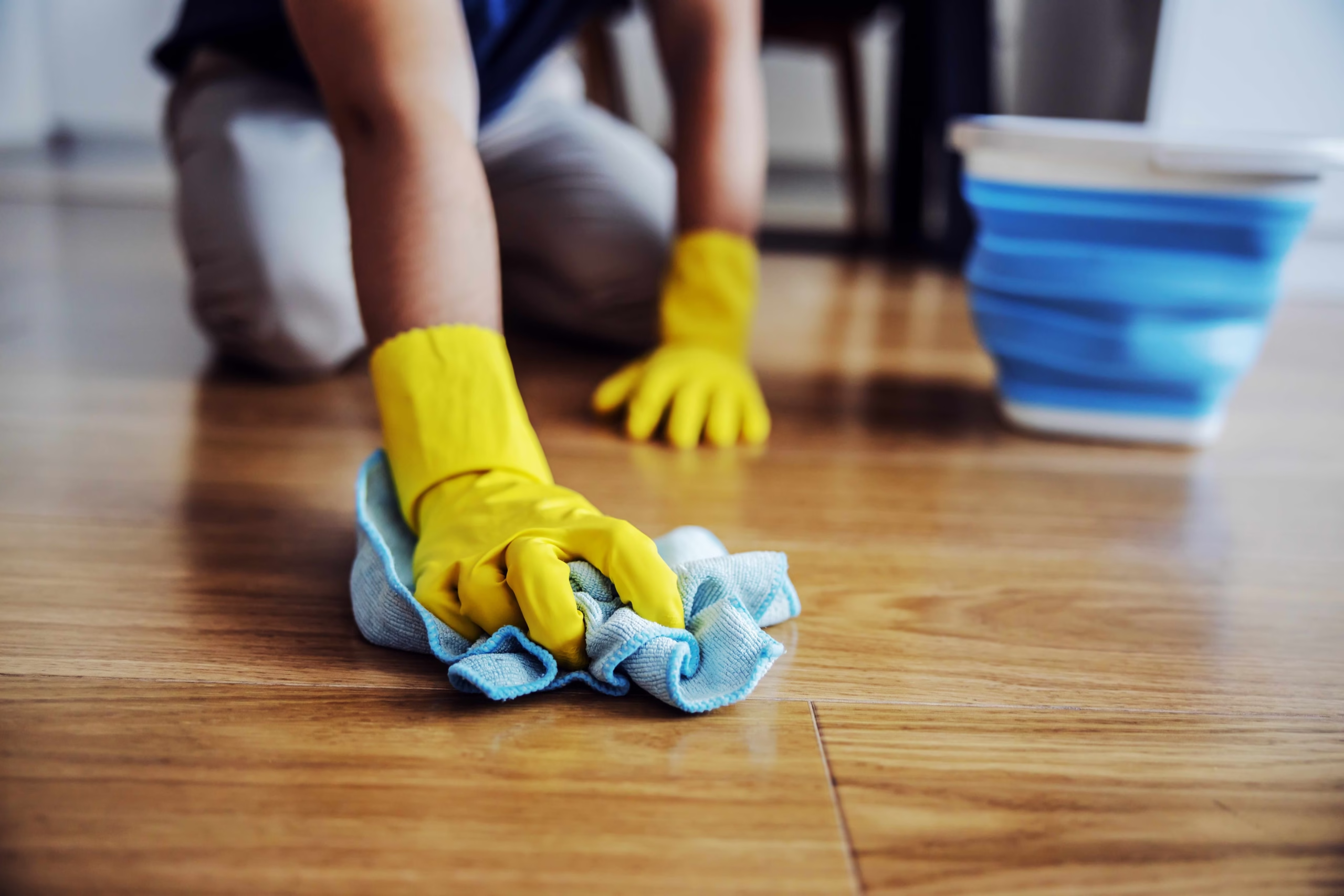
To maintain hardwood floors and protect your investment in the Treasure Valley’s high-desert climate, homeowners must avoid harsh cleaning products, excessive moisture, and steam mops that degrade factory wear layers. Establishing a routine that combines dry dust mopping with a specialized microfiber mop, maintaining indoor humidity, and using pH-neutral water based cleaners will prevent scratching, preserve custom stain colors, and ensure your wood floors withstand the test of time.
Protecting Your Investment in Idaho’s High-Desert Air
Investing in high-end wood floors, whether it is a custom wide-plank European White Oak installed in a sprawling Eagle estate or restored vintage Red Oak in a historic North End bungalow, is one of the most impactful choices a homeowner can make. Authentic hardwood brings an organic warmth, architectural weight, and timeless sophistication that synthetic materials simply cannot replicate.
However, caring for luxury hardwood in the Treasure Valley comes with a specific set of rules. During August, afternoon temperatures across Boise frequently climb into the 90s and 100s, pushing relative humidity down into the low teens.
When you combine hot, bone-dry outdoor air with indoor air conditioning, fine volcanic dust from the Foothills, and normal everyday household activity, your floors face constant environmental exposure. Without a targeted maintenance strategy, everyday grit acts like micro-sandpaper underfoot, while improper cleaning methods can permanently dull custom stains and cloud protective wear layers.
At Heritage Hardwood Flooring, we believe that providing true craftsmanship means giving our clients the knowledge and tools to keep their investment looking pristine. This blueprint breaks down the exact care protocols required to clean your floors safely and protect your luxury hardwood investment for generations to come.
The Danger of Harsh Cleaners and “Quick Fix” Myths
When homeowners notice their floors starting to look slightly dull from daily foot traffic, the instinct is often to reach for off-the-shelf supermarket polishes, spray mops, or internet cleaning hacks. Unfortunately, many mass-marketed products can cause severe long-term damage to modern wood finishes.
Common Cleaning Products to Avoid:
| Product Category | Physical Impact on Luxury Hardwood |
| Retail Oil Soap | Leaves a gummy, waxy film that traps dirt and prevents future maintenance coats. |
| Steam Mops | Forces high-pressure steam into plank seams, breaking down glue bonds and warping wood. |
| Vinegar & Water | Acidic pH slowly eats away at protective topcoats, causing premature dullness. |
The Oil Soap & Wax Trap
A common pitfall is the reliance on commercial oil soap or wax-based polishes. While these products initially produce a shiny appearance, they do so by depositing a soft, greasy film over the floor. Over time, this sticky layer traps fine airborne dust and dirt, turning your gleaming finish cloudy and hazy. Worse yet, once a floor is coated in oil residue, a professional installer cannot apply a simple protective maintenance coat down the road; the entire floor must be completely sanded down to raw wood to remove the buildup.
The Steam Mop Hazard
Steam mops are highly destructive to real timber. Wood naturally expands when exposed to heat and moisture. Blasting high-temperature steam directly onto a floor forces moisture deep into micro-gaps between planks and beneath the finish. This causes the wood grain to swell, splinter, and cup, while destabilizing the adhesive layers in engineered wood flooring.
The Master Preservation Schedule: Step-by-Step
Keeping your floors looking showroom-ready across all four Idaho seasons does not require hours of daily labor. It simply requires the right habits and non-abrasive tools.
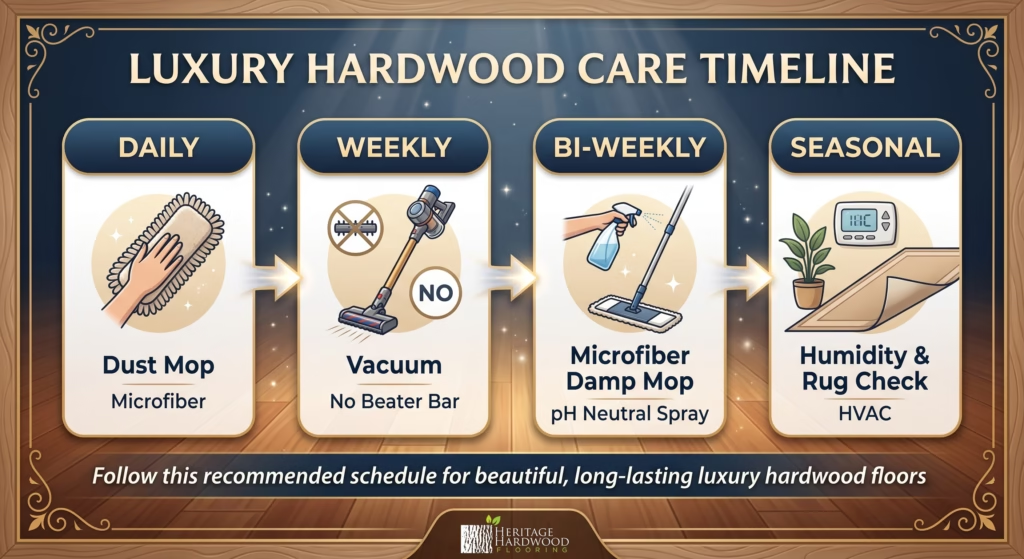
1. Daily Protocol: Dry Dust Mopping
The primary enemy of any wood finish is fine grit. Every time shoes, boots, or pets track soil inside after a walk around Julia Davis Park or a day out at Boise Summer Market Days, those abrasive particles land directly on your floor.
- Action: Perform a daily pass with a dry microfiber mop or dust mop. Microfiber creates a gentle electrostatic charge that lifts and holds fine particulates rather than dragging them across the finish.
- Pro-Tip: Avoid traditional brooms with stiff synthetic bristles, which can cause micro-scratching across satin and gloss sheens.
2. Weekly Protocol: Specialized Vacuuming
While dust mopping captures surface debris, dust quickly settles into plank bevels and texture grooves.
- Action: Vacuum all wood surfaces once a week.
- Critical Safety Step: Always disengage the rotating beater bar or switch your machine to a dedicated bare-floor setting. A spinning brush roll with stiff bristles or hard plastic wheels will gouge protective topcoats and leave permanent swirl marks.
3. Bi-Weekly Protocol: Targeted Spray Cleaning
When it is time to perform a deeper clean to remove smudges, water spots, or sticky spills, less liquid is always best.
- Action: Never use a dripping wet mop or bucket of water on real wood. Standing water can seep into tongue-and-groove joints, causing board edges to swell and darken.
- The Right Product: Use a specialized, pH-neutral hardwood flooring cleaner. Modern factory finishes (whether water based or oil based polyurethane) are engineered to react safely with neutral, residue-free formulas. Lightly mist the cleaner onto a clean microfiber pad (not directly onto the wood) and wipe in the direction of the natural grain.
Complete Household Floor Protection Strategy
In addition to regular cleaning, protecting your wood from physical stress ensures your investment maintains its long-term elegance and structural integrity.
Homeowner Protection Checklist
- Place non-staining felt pads under all furniture.
- Use breathable entry rugs inside and outside.
- Keep pet nails trimmed and filed regularly.
- Maintain indoor relative humidity at 30% – 50%.
- Lift heavy objects; never drag across wood.

Furniture Felt Pads
Static weight from couches, dining tables, and heavy chairs exerts immense pressure on small surface areas. Always attach thick, high-quality felt protective pads to the bottom of all furniture legs. Check these pads every few months to clear away embedded grit, and replace them as they wear down.
Moving Heavy Objects
When rearranging living spaces or bringing in new furniture, never drag heavy objects across real wood. Even extremely dense wood species like Hickory can suffer deep gouges if a heavy appliance or cabinet is pulled across the room. Always use pneumatic appliance dollies, masonite protective boards, or specialized furniture sliders designed for hard surfaces.
Pet Nail Care
Active dogs are a cherished part of the Idaho lifestyle, but untrimmed claws act like tiny chisels against wood finishes. Keep your pet nails trimmed and smooth on a consistent schedule. Pairing routine grooming with textured finishes like wire-brushed European Oak creates a forgiving environment where pets and luxury floors coexist effortlessly.
Defensive Rug Placement
Place high-quality, breathable entry mats at every exterior door to catch dirt, moisture, and road salt before it ever reaches your main living spaces. Ensure area rug backings are made from natural fibers or non-staining grid materials, avoiding cheap rubber or vinyl backings that can trap moisture and chemically discolor wood finishes over time.
Frequently Asked Questions (FAQ)
1. How do I choose between water based and oil based cleaners for my floors?
A: In almost all modern installations, you should use a pH-neutral, water based cleaner specifically formulated for hardwood polyurethane finishes. Traditional oil based soaps or polish additives leave a gummy residue that degrades the clear coat. Check with your installer to confirm your specific finish type, but a neutral, residue-free spray cleaner is the safest option for virtually all modern factory and site-applied finishes.
2. What is the best way to clean up liquid spills without damaging the wood?
A: Attending to liquid spills immediately is vital for long-term hardwood health. Use a dry, absorbent microfiber towel to wipe up the standing liquid right away, then mist the area lightly with a dedicated hardwood flooring cleaner and wipe dry. Never allow water, pet accidents, or juice to pool on plank seams, as liquid can penetrate the subfloor and cause board cupping.
3. Why should I avoid using a beater bar when vacuuming wood floors?
A: A rotating beater bar is designed specifically to agitate carpet fibers, using stiff bristle tufts that spin at high speeds. When used on hard timber, those high-speed bristles strike the protective topcoat thousands of times per minute, causing fine scratching, dullness, and chipping along plank edges. Always turn off the brush roll or use a soft felt floor attachment.
4. How often should a luxury hardwood floor receive a professional maintenance coat?
A: With consistent daily care and proper environmental controls, a high-end floor typically needs a professional maintenance coat (often called a “clean and coat” or “re-screen”) every 3 to 5 years. This process lightly abrades the existing clear coat and applies a fresh protective wear layer, completely restoring luster and erasing fine micro-scratches without requiring a full sand-and-refinish project.
Long-Term Value & Architectural Luster
Taking care of real timber is not a complicated task, but it does require consistency and respect for natural materials. By eliminating harsh supermarket chemicals, avoiding excessive water exposure, and establishing a regular microfiber cleaning routine, you protect your home’s architectural beauty and preserve its resale value for years to come.
Whether you are maintaining an existing floor or planning a custom floor installation for an upcoming remodel, partnering with local experts ensures your project receives the highest standard of care from start to finish.
For more specialized insights on restoring aged timber or repairing surface wear, explore our complete services for hardwood floor refinishing and ongoing hardwood floor maintenance.
Want to keep your floors looking as beautiful as the day they were installed?
Connect with Daniel and the local team at Heritage Hardwood Flooring today for expert guidance, custom maintenance coats, and professional care tailored to your home.
Or, give us a call!